








Yagul
Archeological site
Yagul
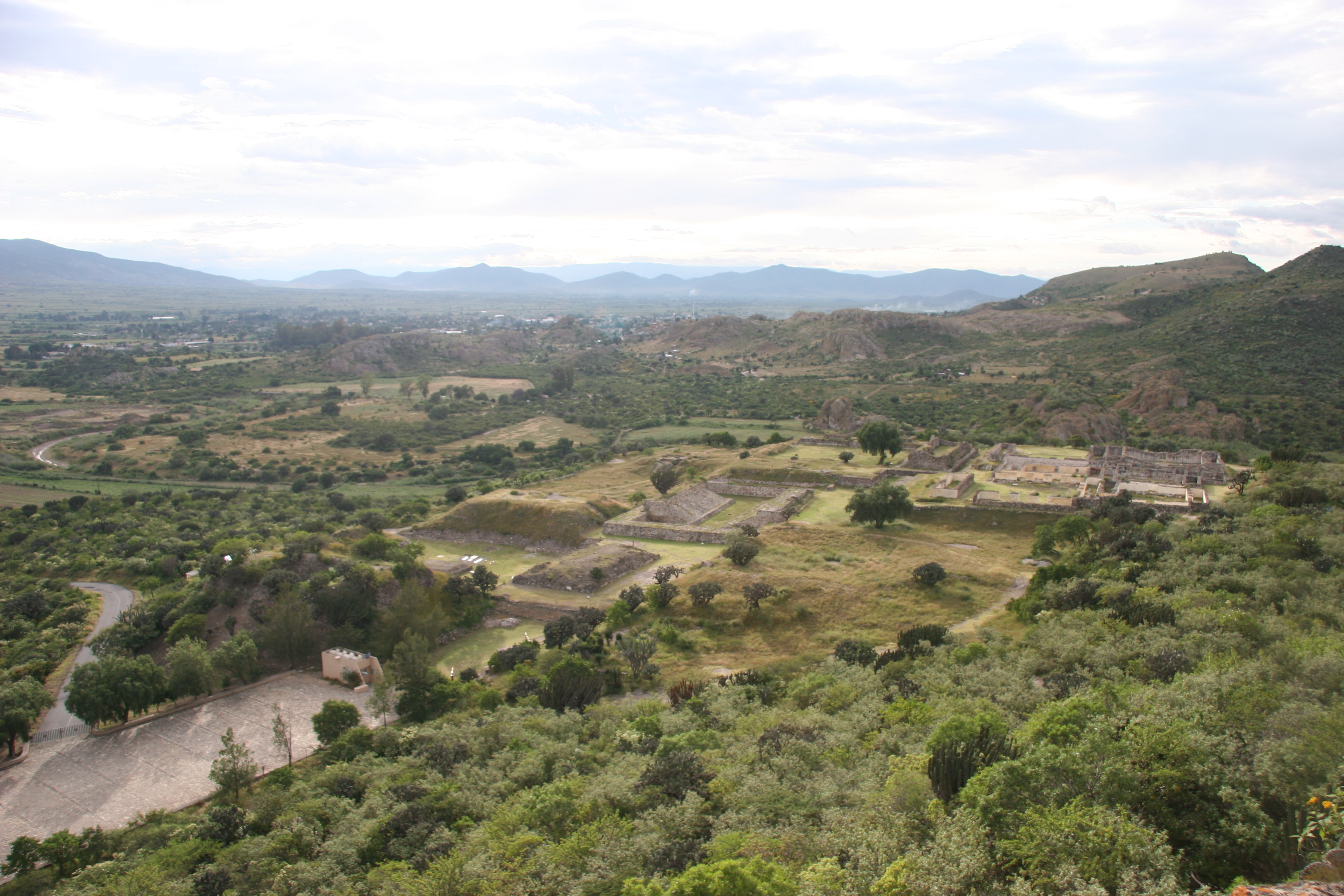
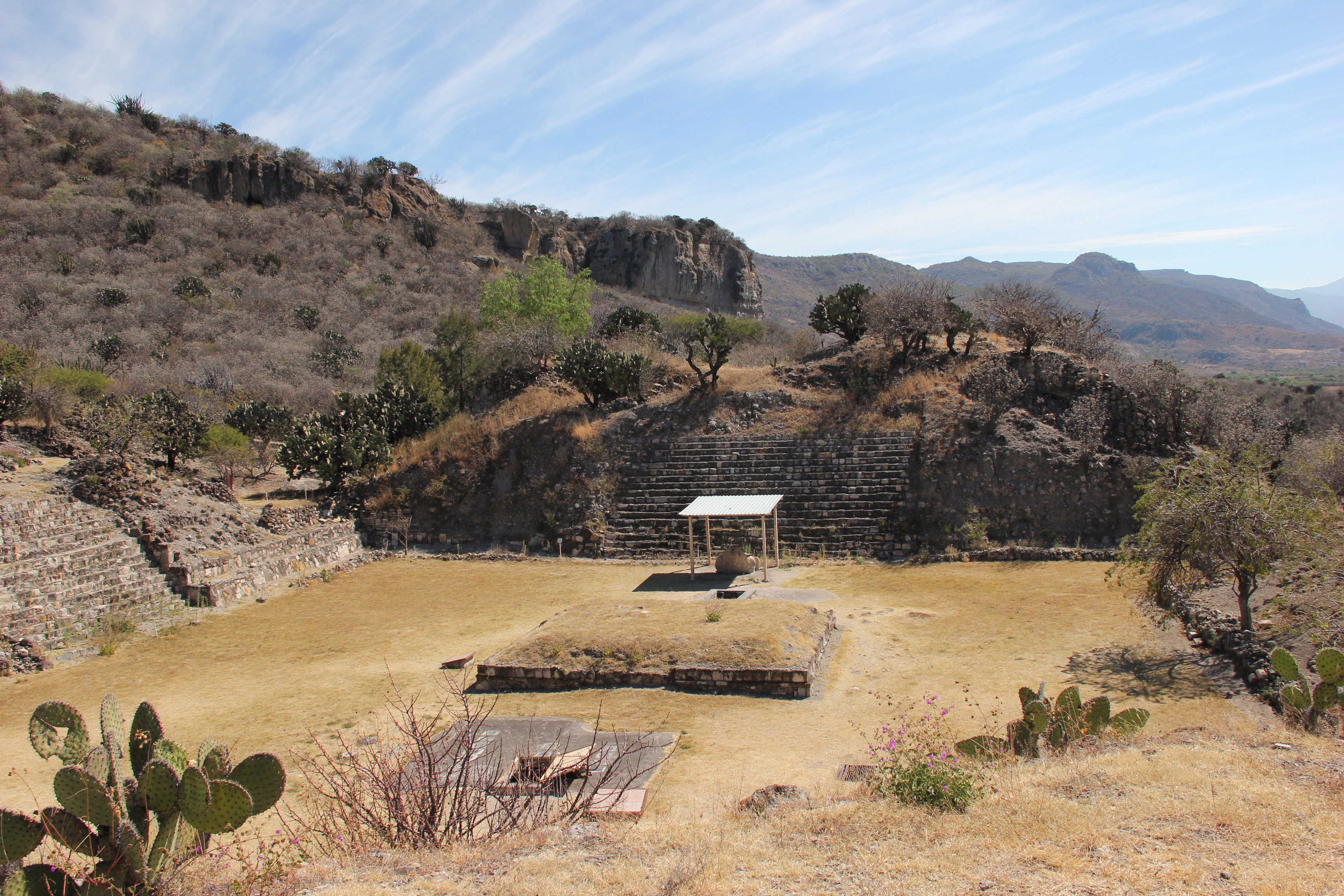
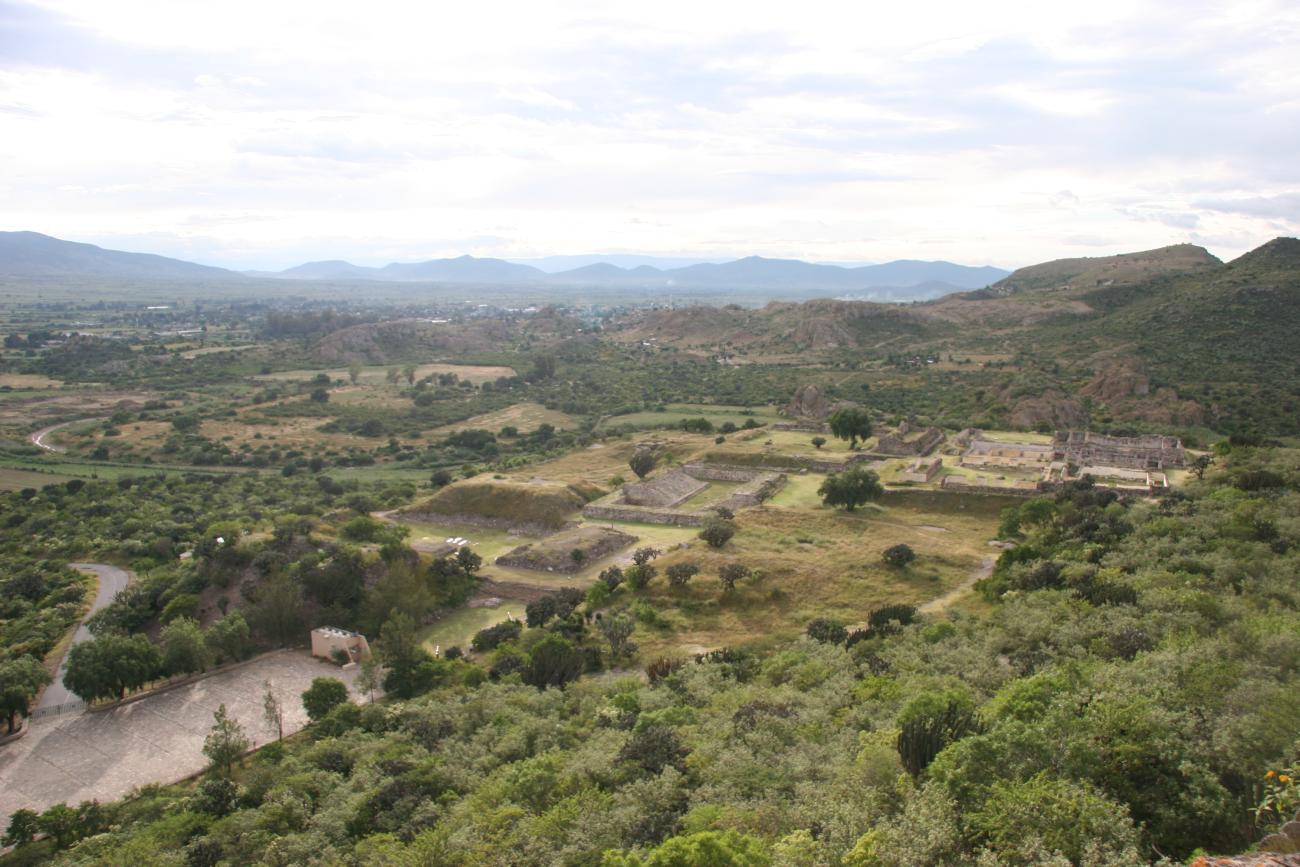
In the tenth century AD, the early inhabitants of the region of Yagul built communicating platforms across the hills that surround the Caballito Blanco plateau. On top of these they built pyramids, palaces, sepulchres and a great ballcourt. At one time they were all painted red, and they still astonish us to this day.
When Monte Albán fell into decline in approximately 850 AD, a series of sites in the central valleys of Oaxaca became more important. The Zapotec city of Yagul (“old tree”) in the Valley of Tlacolula was one of them.
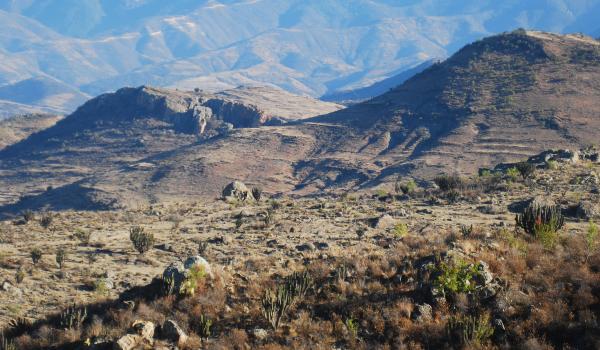
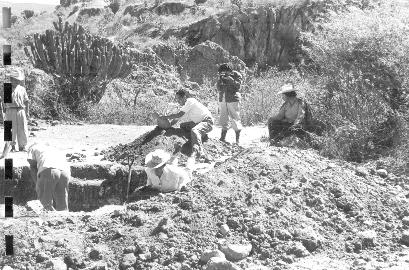
The area had been occupied for centuries before the current era by hunter-gatherers who took shelter in the caves of the mountains at the foothills of the Caballito Blanco plateau. These caves and their rock paintings, which now constitute the Prehistoric Caves of Yagul and Mitla site, were added to the UNESCO World Heritage List as a Cultural Landscape in 2010. The remains also bear witness to their transition to a farming lifestyle. Cucurbitaceae (squash) seeds more than 10,000 years old have been found in the Guilá Naquitz cave, which are the earliest remains of domesticated plants discovered to date in the Americas, as well as fragments of corn cobs and kernels, which are some of the oldest evidence of this plant’s domestication.
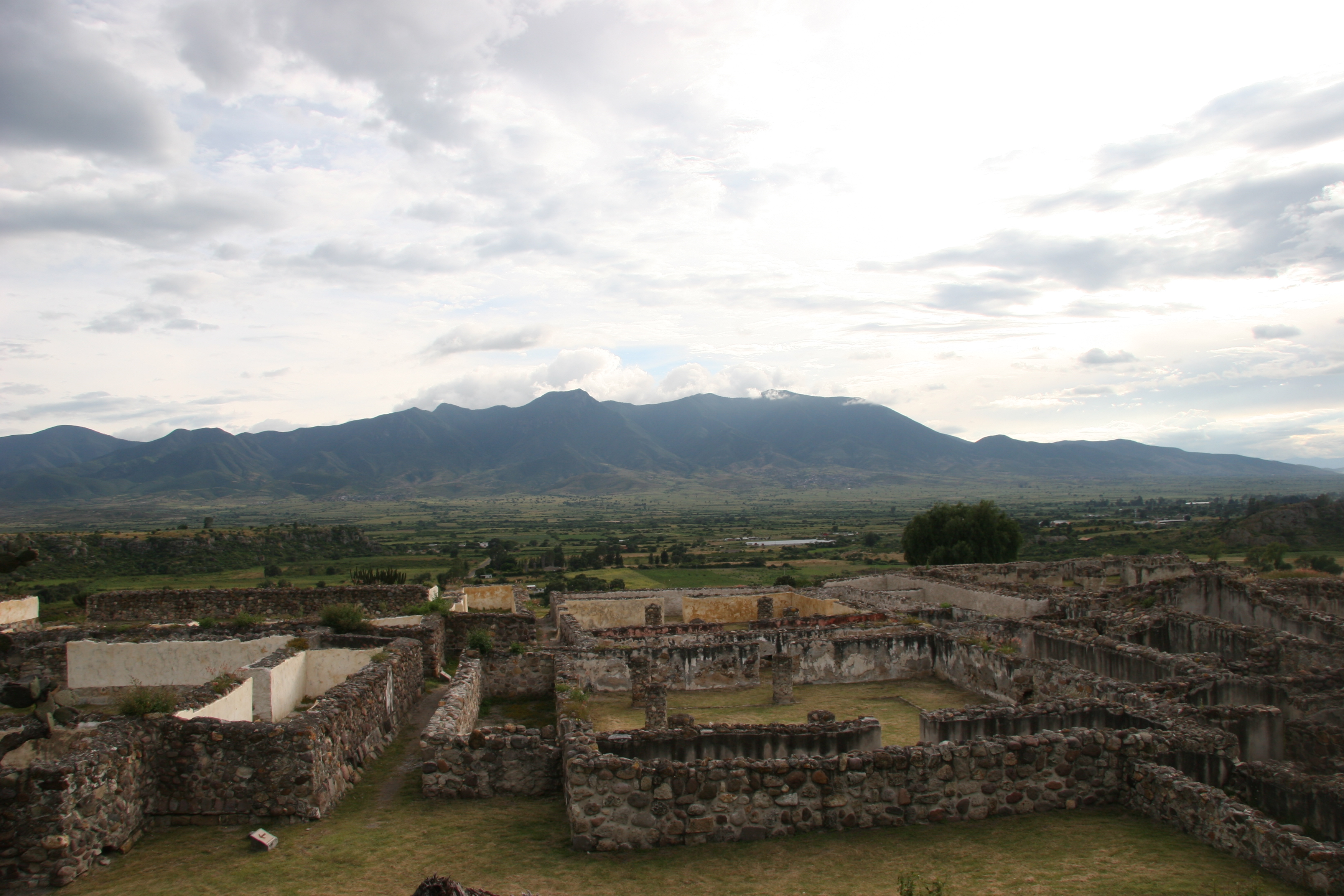
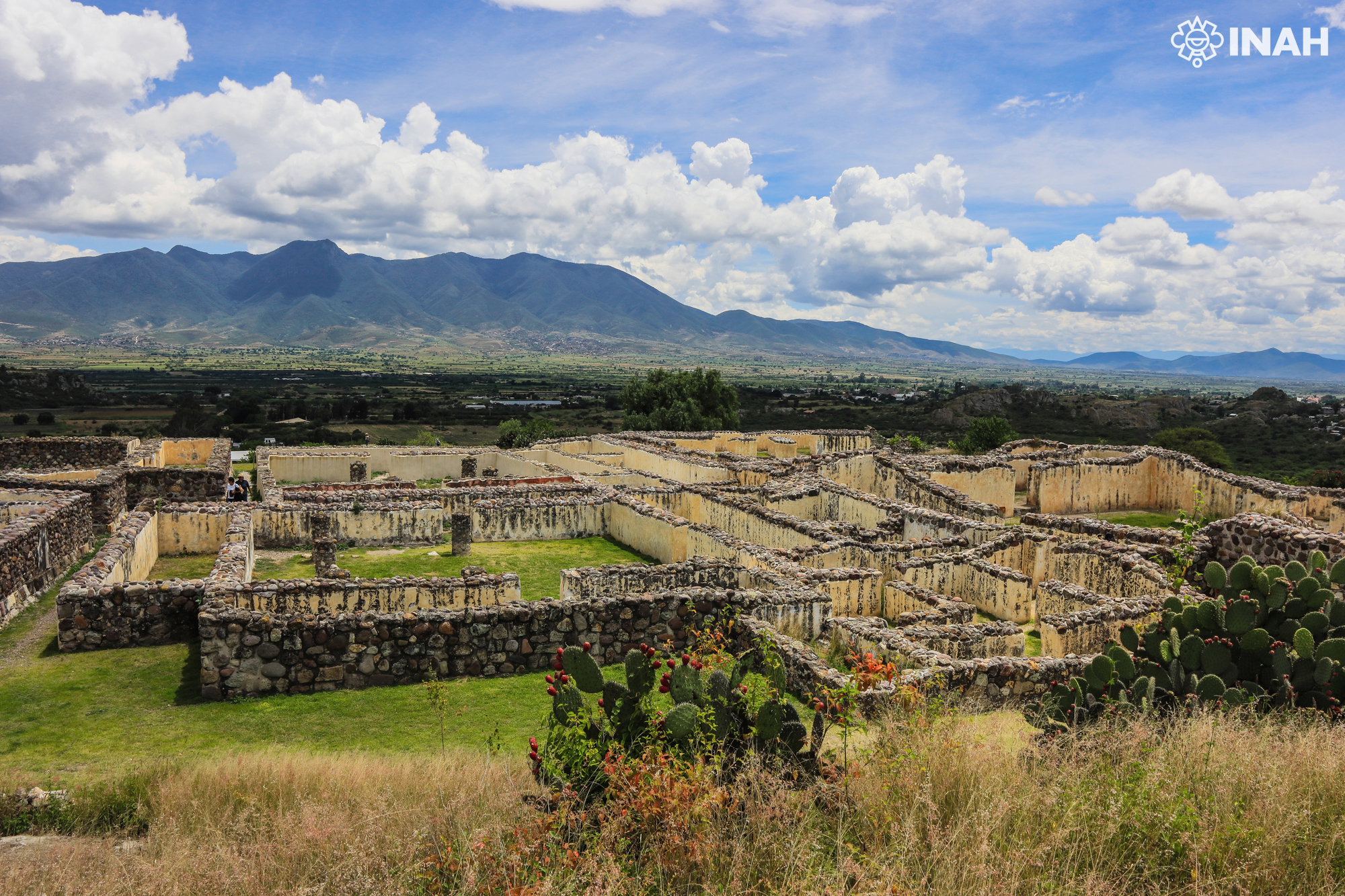
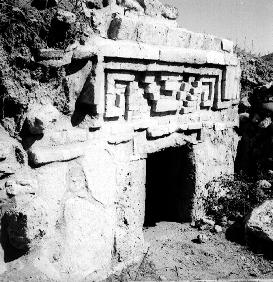
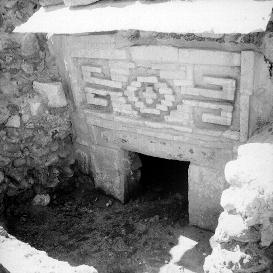
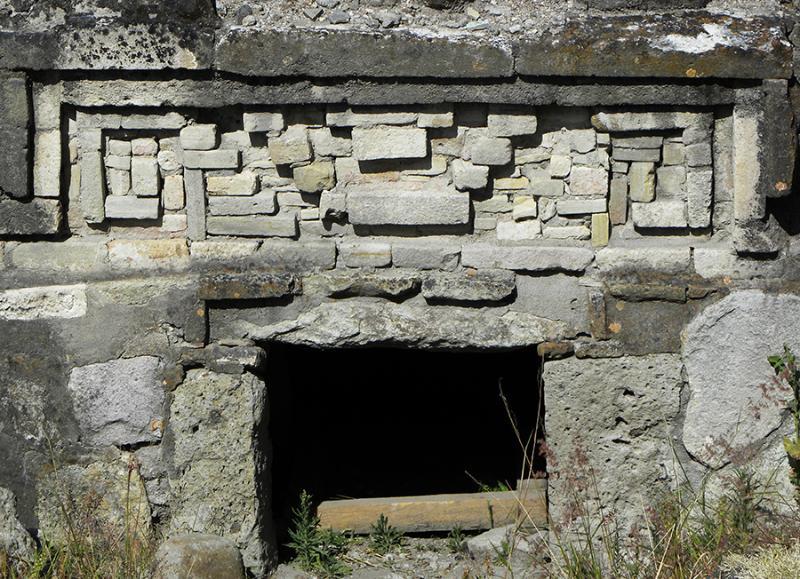
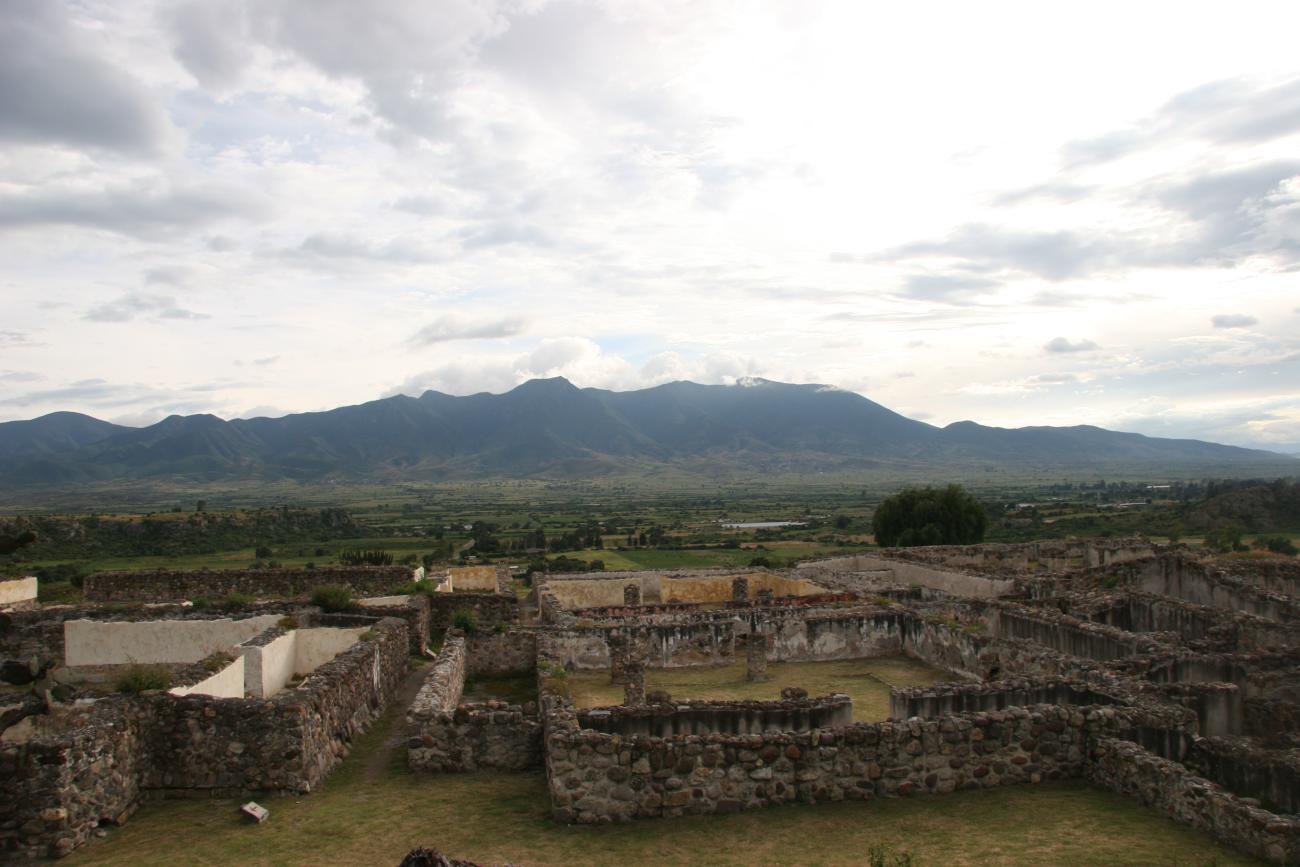
From the tenth century onwards, the inhabitants of the town of Yagul constructed a series of artificial platforms on one of the rocky massifs that dominate the valley, upon which they erected complex buildings linked by well-defined pathways. The floors and walls of these buildings have a fine layer of red-painted stucco. Yagul was where the architectural tradition began of decorating the faces of walls with meander pattern mosaic friezes, which reached the height of its splendor in the monuments of Mitla.
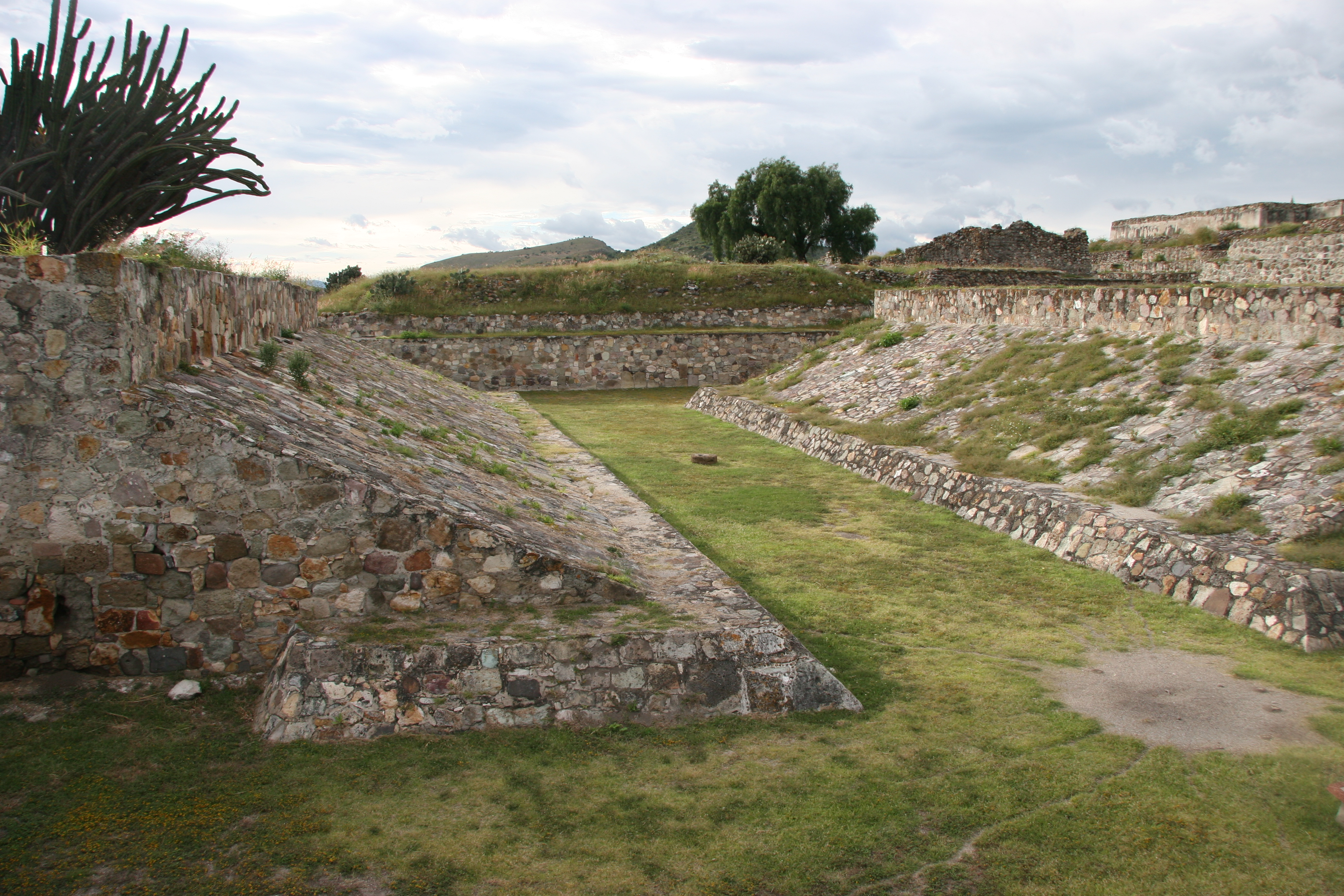
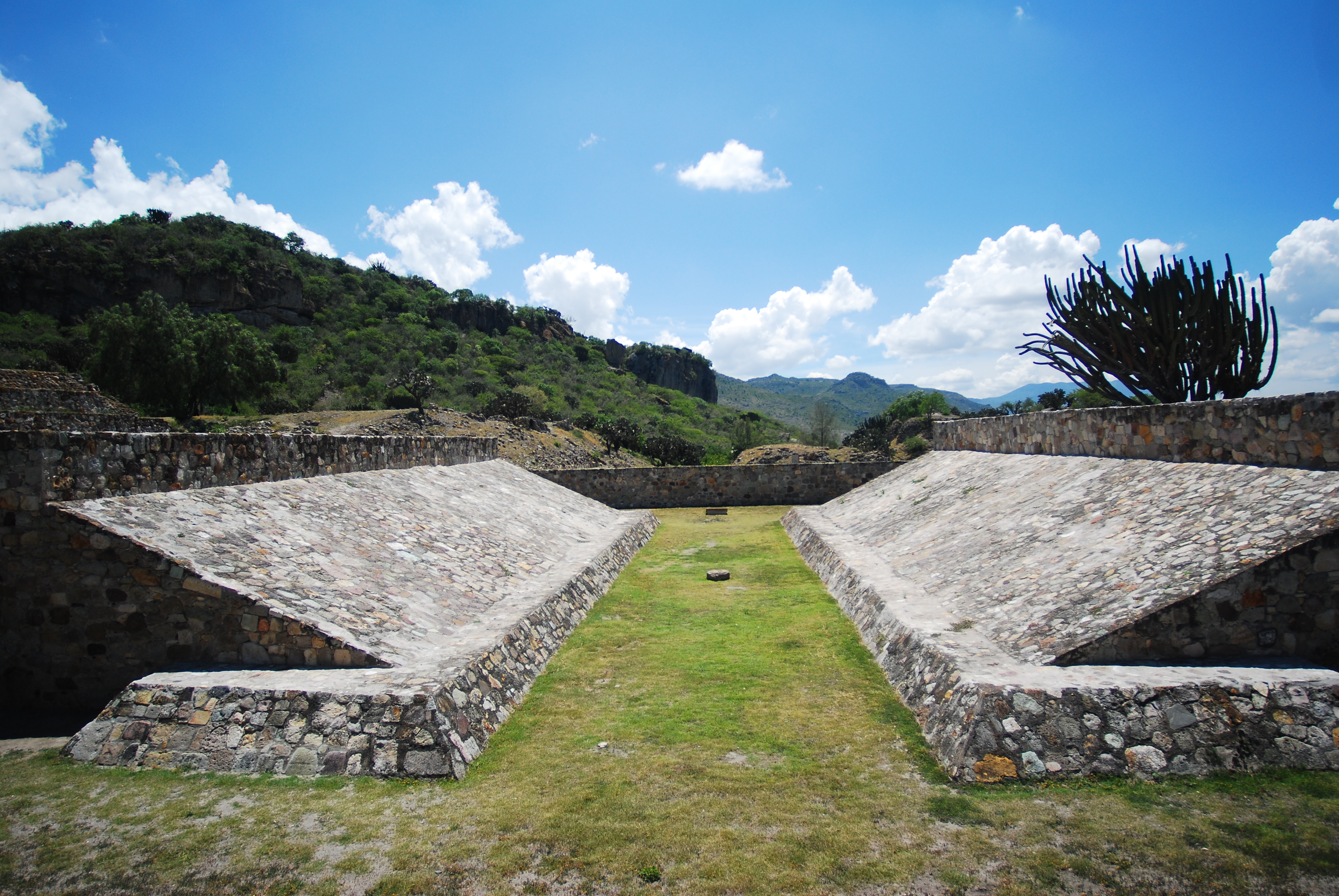
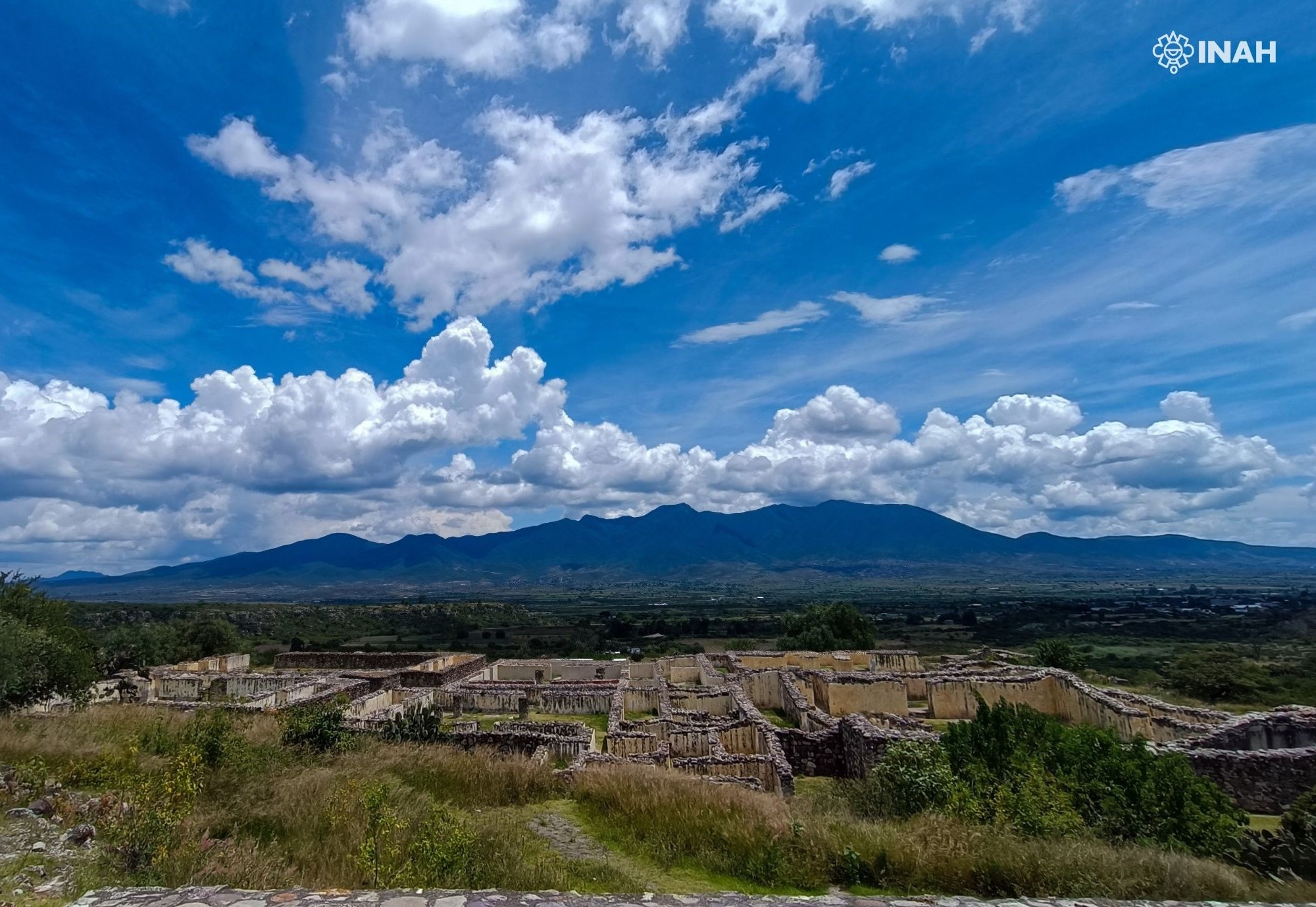
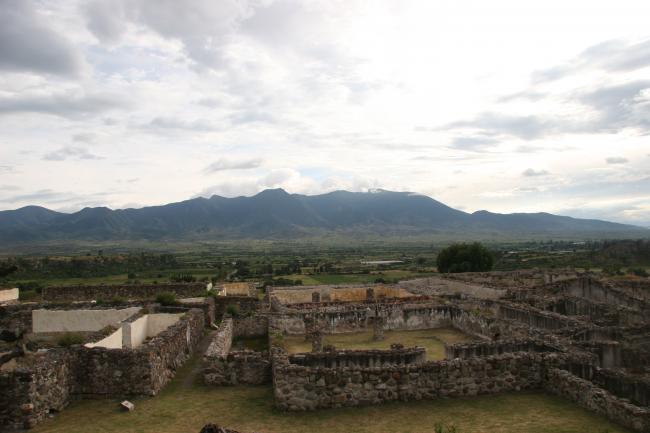
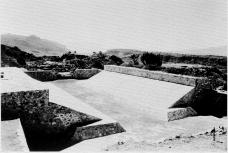
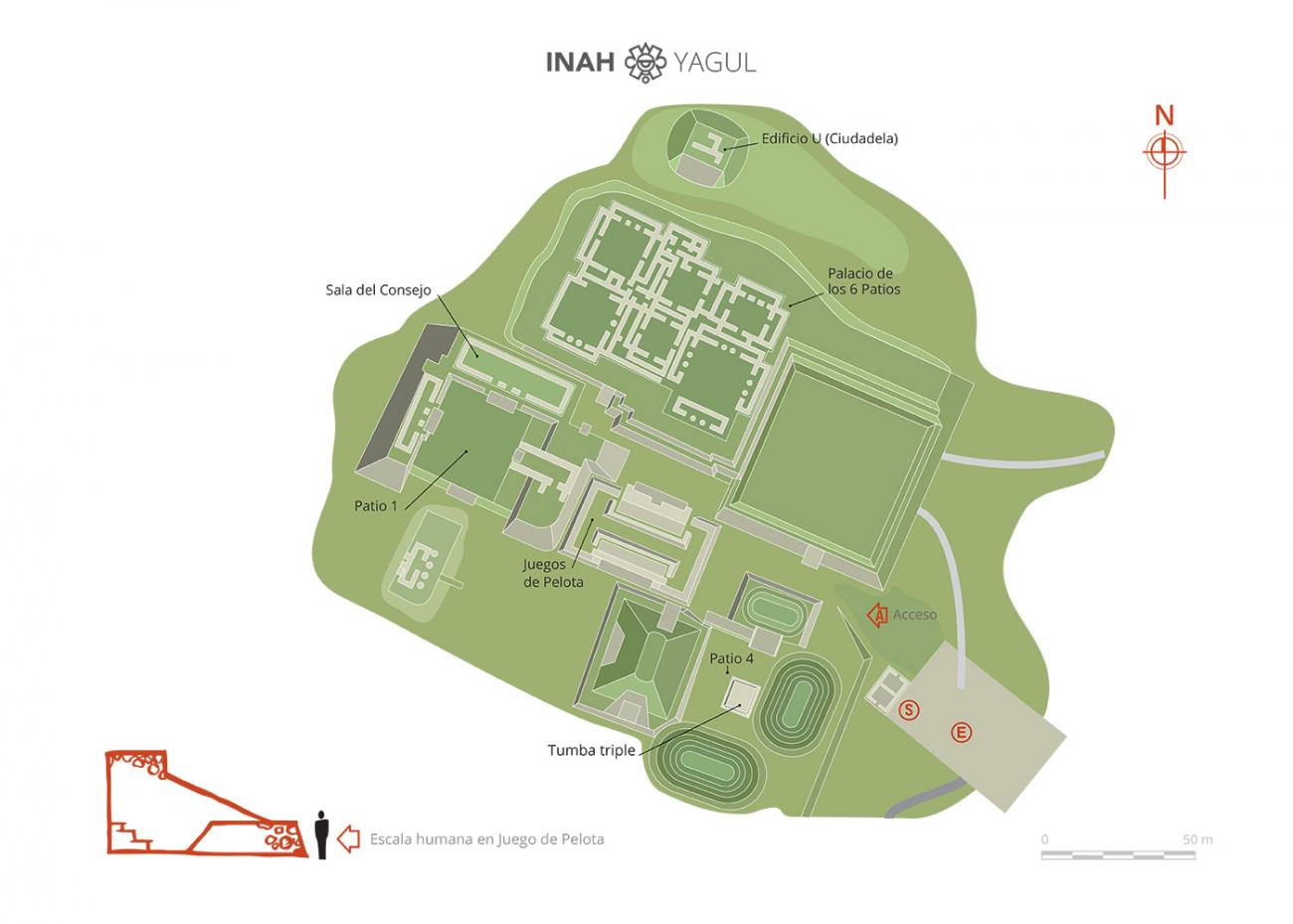
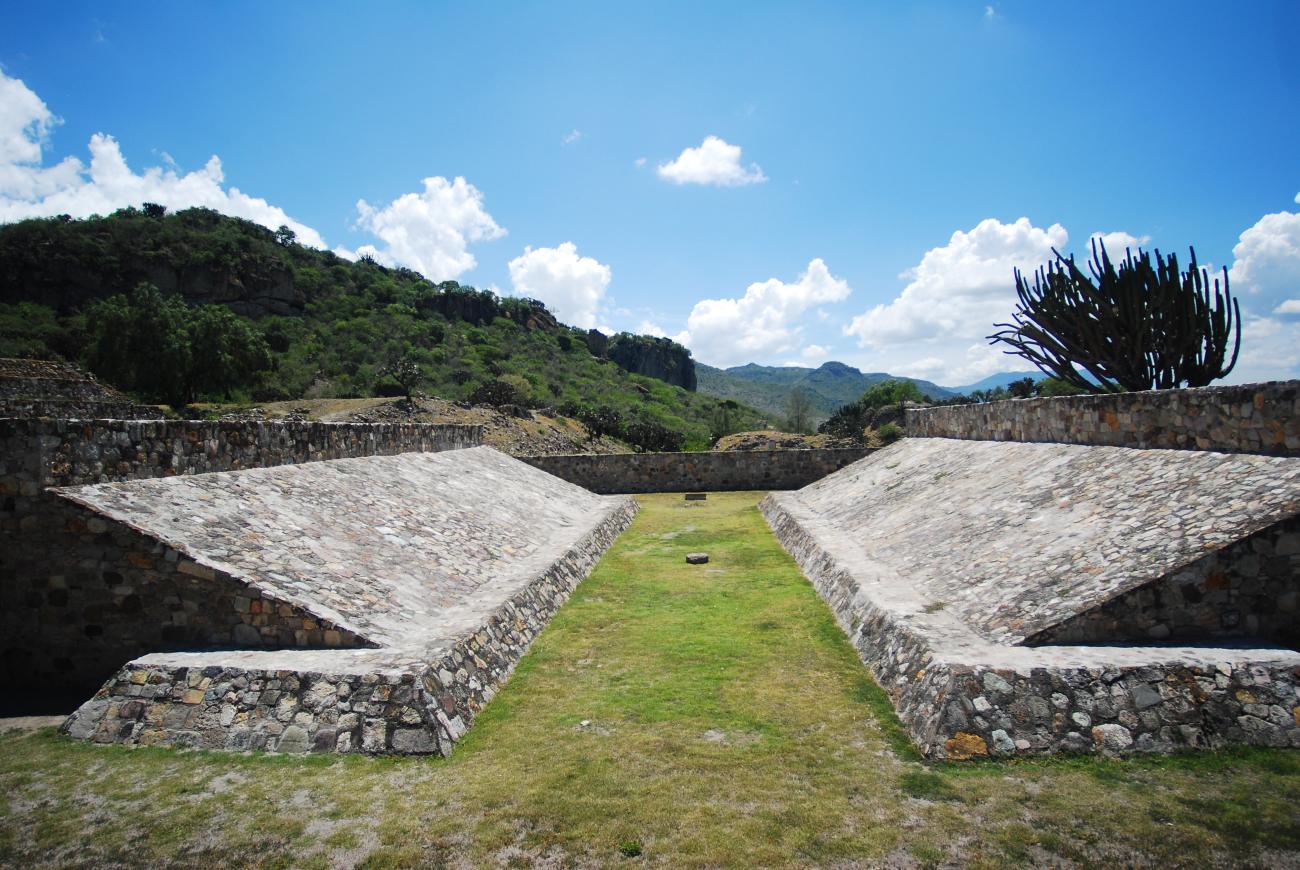
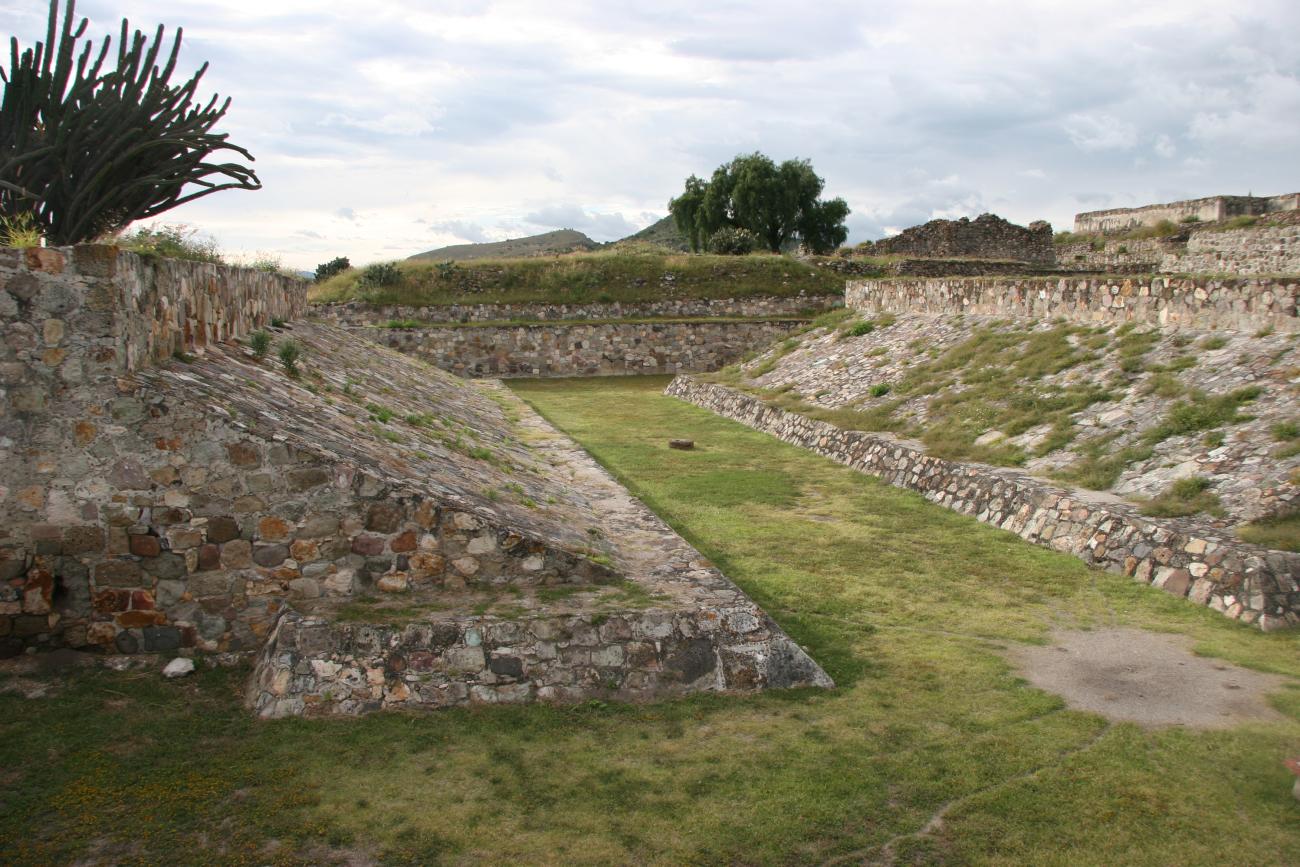
Its most outstanding buildings include the Palacio de los Seis Patios ("Palace of Seven Courtyards"), the Acropolis or set of courtyards with tombs (several of these also bear vestiges of mural painting), and the imposing Ballgame Court, which is the largest in the Valley of Oaxaca. The Zapotecs also erected a fortress at Yagul. This was a long wall that provided a series of lookout posts and defensive positions when combined with the natural elevations of nearby hills and mountains, which is evidence of the warlike environment prevailing at the time.
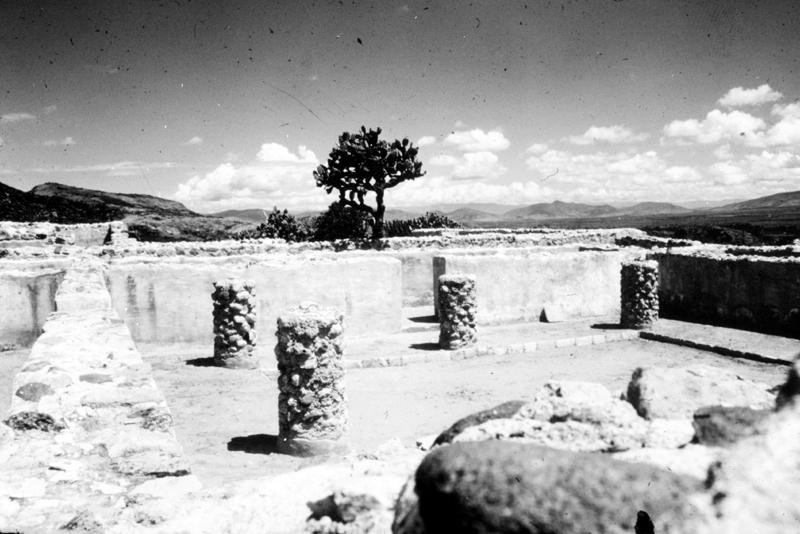
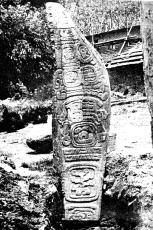
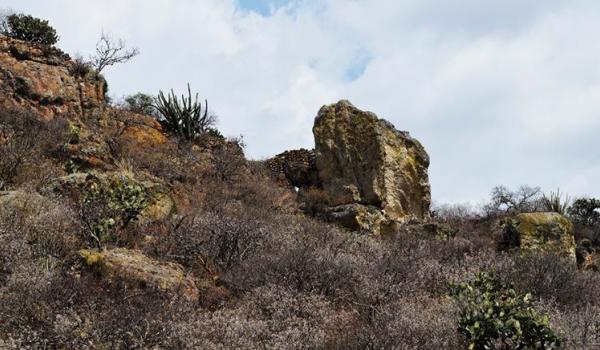
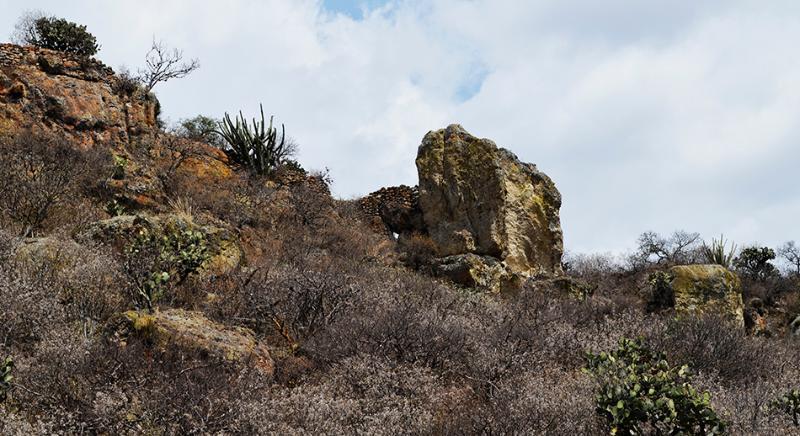
La Fortaleza
It is located on top of an elongated rocky prominence that has been catalogued as the highest in the area. It possibly functioned as a refuge for the population in times of conflict as well as a defense area for the site.

Sala del Consejo
It is a courtyard enclosed by long temples on three sides; the north side has given the name to this space, while the east side is a long room parallel to the courtyard with a residence at the back.
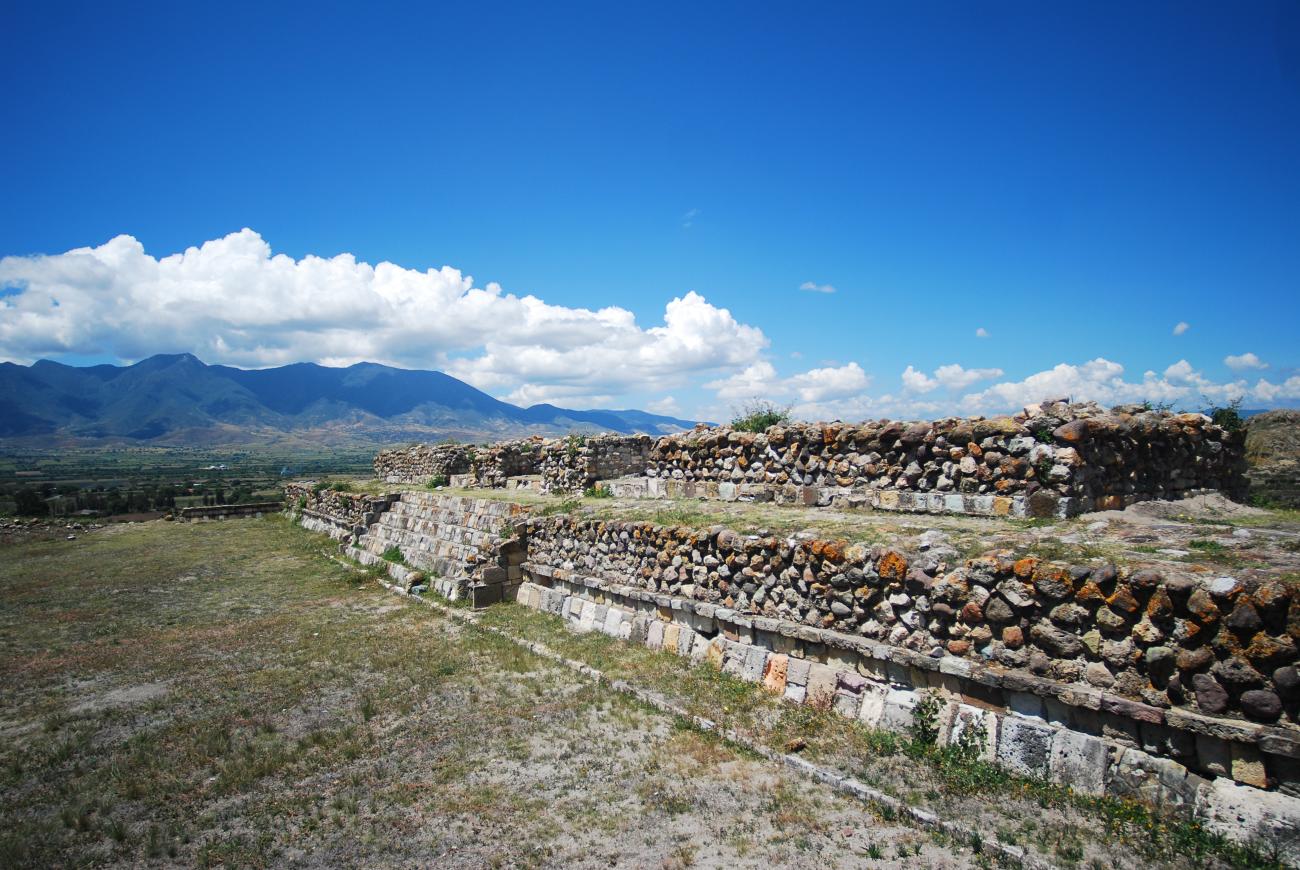
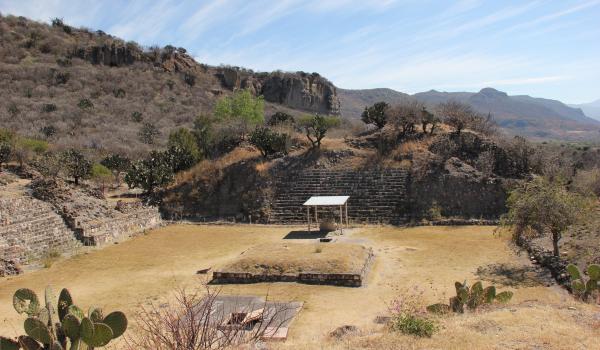
Centro Cívico Religioso
This complex consists of large courtyards enclosed by buildings that were once residences of the elite.
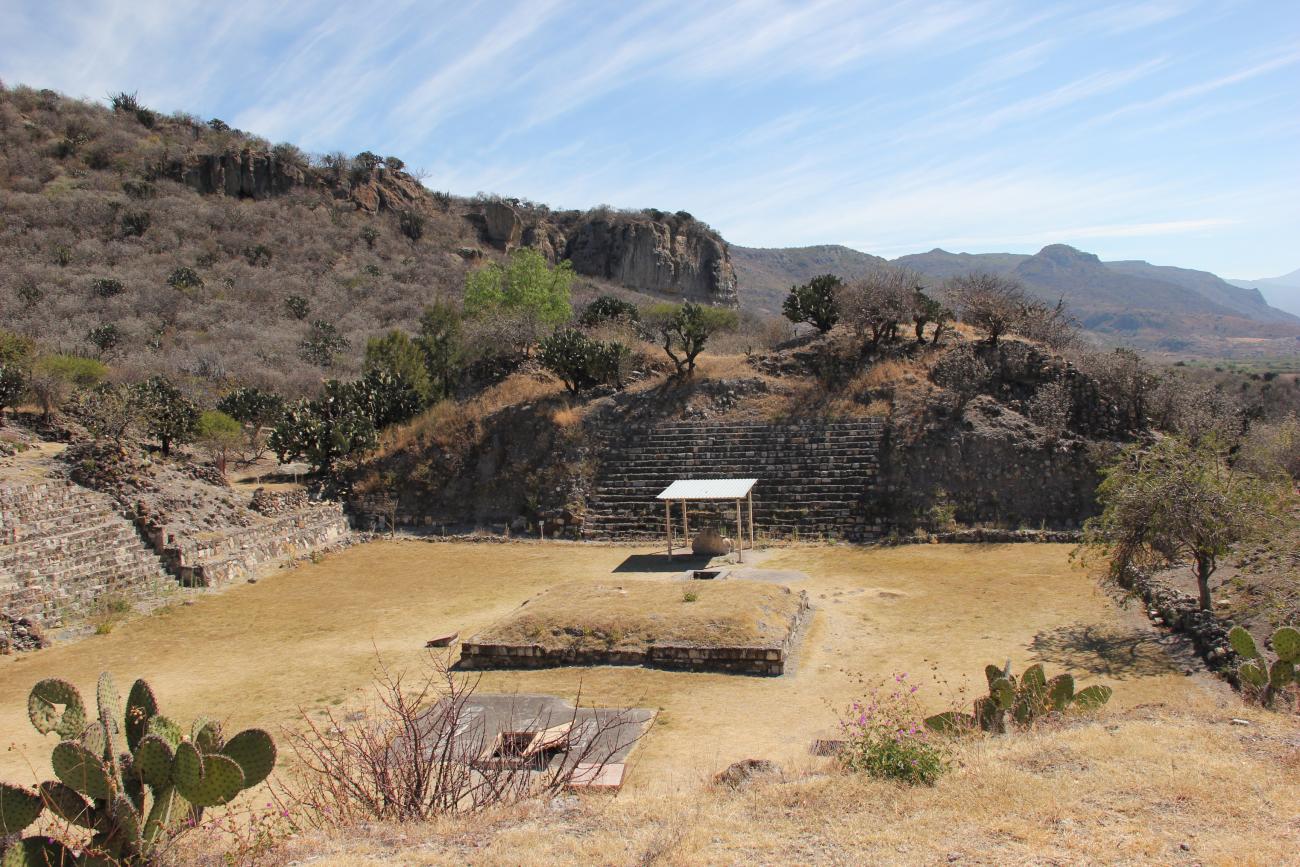
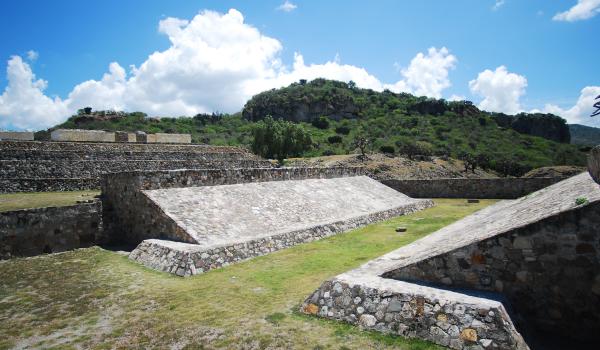
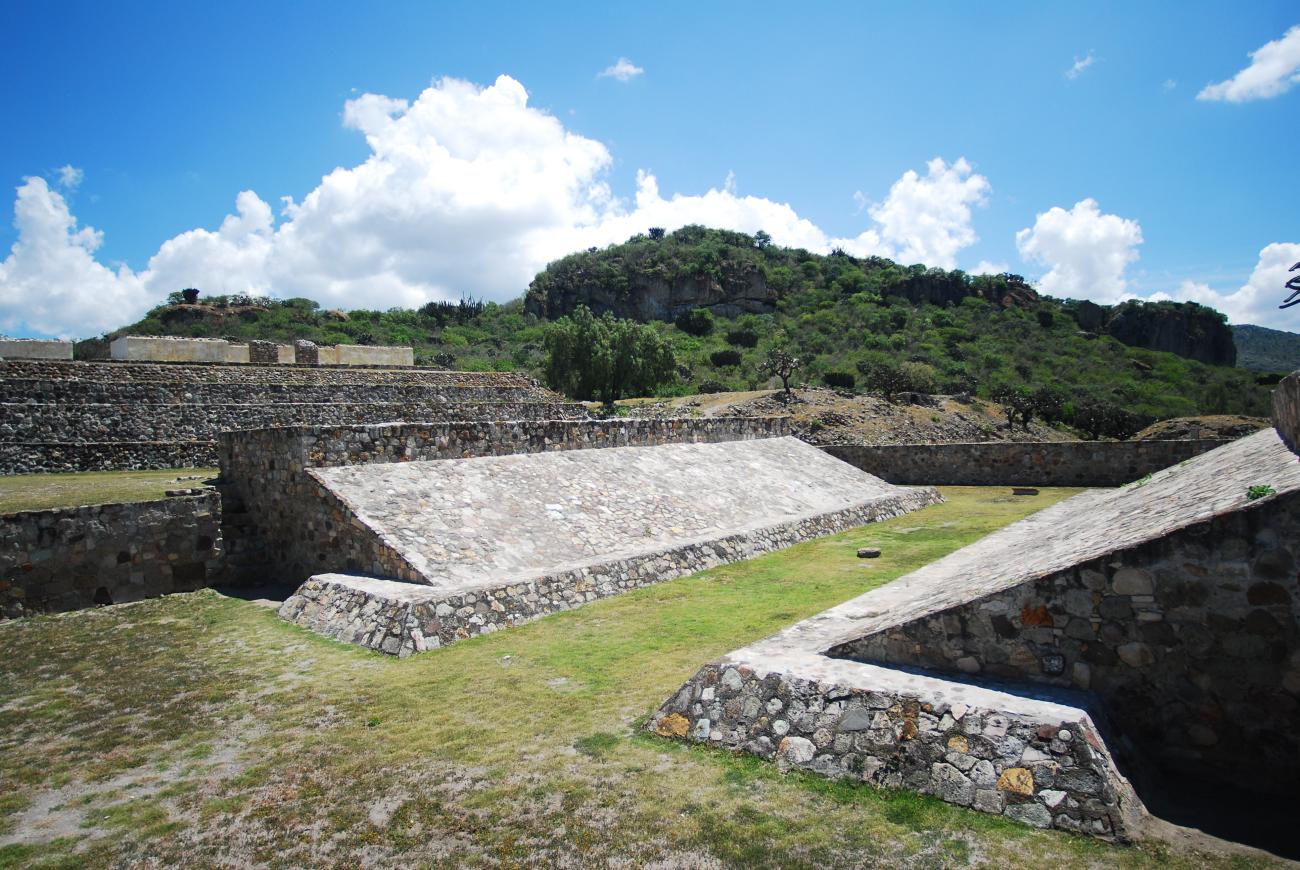
Juego de Pelota
It is estimated that this I-shaped court was built between 500 and 900, and was the site for rites related to war, sacrifice and the renewal of the cosmos.

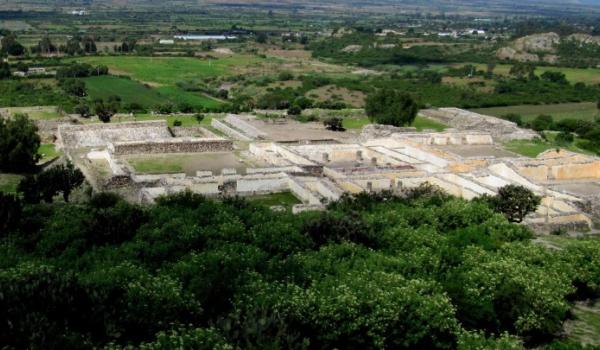
Palacio de los Seis Patios
It consists of several palaces that correspond to the Late Postclassic (1200 to 1521). It is integrated by courtyards D and F where public affairs were carried out. In patios A and C the events were private because they belonged to the palace of the king or ruler. The central courtyards, called B…
Palacio de los Seis Patios
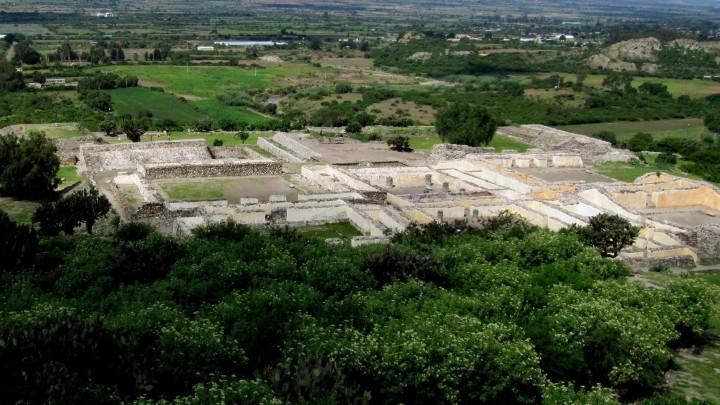
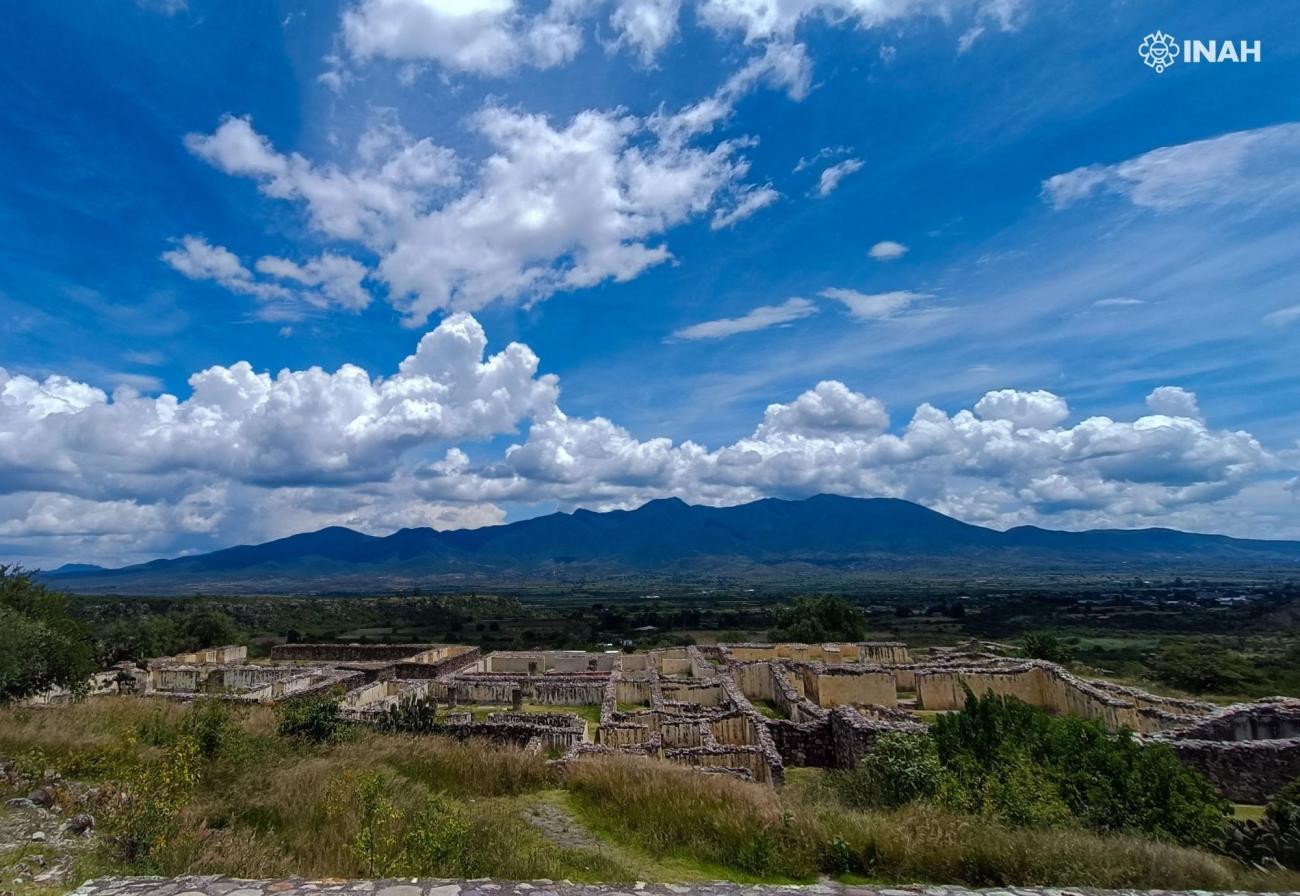
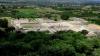
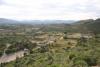

It consists of several palaces that correspond to the Late Postclassic (1200 to 1521). It is integrated by courtyards D and F where public affairs were carried out. In patios A and C the events were private because they belonged to the palace of the king or ruler. The central courtyards, called B and E, may have been the enclosures for the king's family. The rooms have one to three entrances and in each courtyard the entrance to a tomb was found.
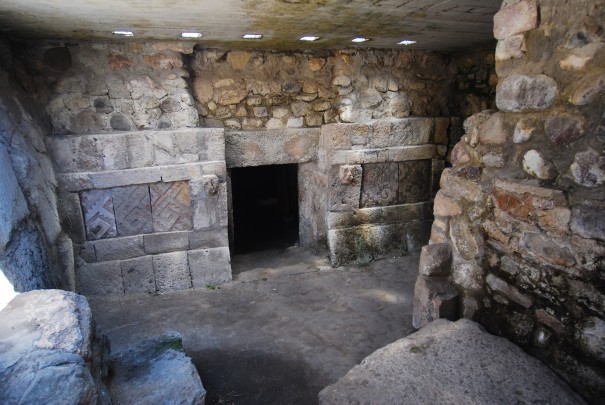
Metrópoli o conjunto de patios con tumbas
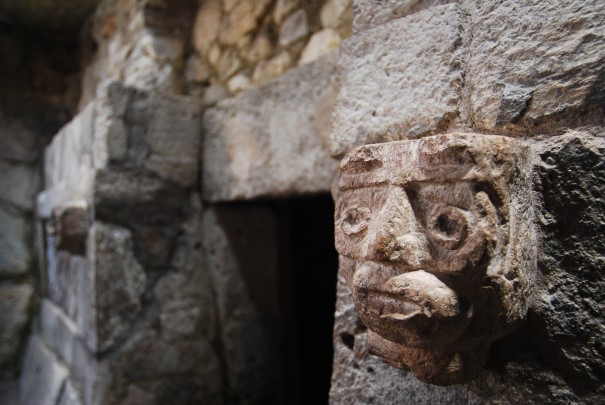
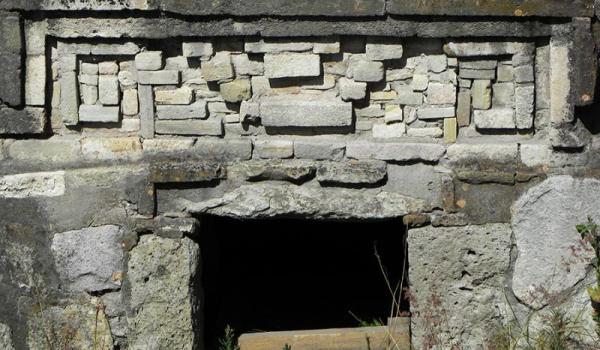
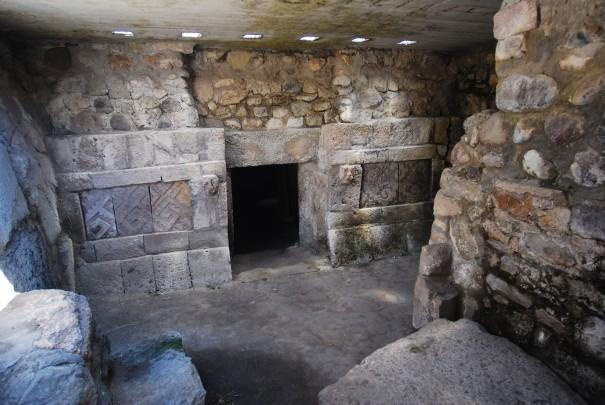
They are tombs 3, 29 and 30, which are organized in the same set of cruciform plan, with a common entrance and antechamber. The façade of the main tomb was decorated with fretwork carved in friezes formed in the rock and a stone human head next to the door.

or how the Zapotecs constantly innovated in their architecture.


Contact
- Dirección del Centro INAHJosé Manuel Bañuelos Ledesmajosemanuel_banuelos@inah.gob.mx+52 (951) 513 0389Protección y Resguardo de Bienes CulturalesManuel Rufino Aguilar Martínezmanuel_aguilar@inah.gob.mx+52 (951) 513 3346, exts. 2880